
Fast Drain Cleaning & Clogged Drain Repair in Doylestown
Keep your drains flowing freely and prevent costly backups in Bucks, Chester, Delaware, and Montgomery Counties, PA
Christian Heating, Cooling, Plumbing & Electrical is proud to serve Doylestown with dependable home comfort and repair services, delivered with expertise and care. A clogged drain is one of those problems that starts small and then picks the worst possible moment to get serious, usually right when guests are arriving or the washing machine is mid-cycle.
Picture a Friday evening in Doylestown. The kitchen sink is draining a little slower than usual, and you tell yourself you will deal with it later. By Saturday morning the water is sitting in the basin, the dishwasher is backing up, and there is a gurgling sound coming from somewhere in the wall. That is a drain asking for help.
What Are the Signs of a Clogged Drain?
Drain problems rarely appear overnight. They give hints first. Watch for:
- Slow draining: Water takes longer than normal to leave the sink, tub, or shower.
- Standing water: Water pooling in the basin or shower floor.
- Gurgling sounds: Air is struggling to move through a partially blocked pipe.
- Foul odors: Trapped debris can create a persistent smell.
- Multiple fixtures draining slowly: This often points to a main line issue rather than a single clogged trap.
- Water backing up in other fixtures: For example, the shower gurgles when the washing machine drains.
- Fruit flies or drain flies: These pests can gather around buildup in drains.
- Water in the basement floor drain: A sign that the main line may be blocked.
A single slow sink is usually a local clog. If several drains act up at once, the problem is likely deeper in the system.
Call NowWhat Causes Clogged Drains in Doylestown Homes?
Every home is different, but a handful of causes show up again and again.
- Grease, fat, and oil: These cool and harden inside kitchen drain lines, catching food particles and building up over time.
- Hair and soap scum: The classic bathroom clog. Hair binds with soap residue and forms a sticky mass.
- Food waste: Even with a disposal, coffee grounds, rice, pasta, and fibrous foods can pack into pipes.
- Wipes labeled “flushable”: Many do not break down the way toilet paper does and are a common cause of backups.
- Foreign objects: Toys, cotton swabs, and other items find their way into drains more often than you would think.
- Mineral buildup: Hard water leaves deposits that narrow pipes gradually.
- Tree roots: Roots can enter small cracks or joints in older underground lines, especially in established neighborhoods with mature trees.
- Aging or damaged pipes: Corrosion, sagging sections, and cracks catch debris and slow flow.
- Heavy seasonal use: Holiday gatherings, houseguests, and big laundry loads can push a marginal drain over the edge.
Can You Clear a Clogged Drain Yourself?
Some small clogs are manageable. Others are not. Here is how to think about it.
Reasonable DIY steps:
- Use a plunger on a sink, tub, or toilet.
- Remove and clean the stopper or strainer and clear visible hair or debris.
- Flush with hot water (not boiling, especially with PVC pipes) to help loosen grease.
- Use a small drain snake for shallow bathroom clogs.
Be cautious with:
- Chemical drain cleaners: These can damage pipes, harm finishes, and create hazards for you and for anyone who works on the drain later. Never mix different cleaners.
- Forcing a snake too far: It can scratch or damage pipes.
- Ignoring repeat clogs: If the same drain clogs again soon after, something deeper is likely going on.
Call a professional when:
- More than one drain is affected.
- Water is backing up into tubs, showers, or floor drains.
- You smell sewage.
- The clog keeps coming back.
- DIY efforts have not worked.
How Do Professionals Clear and Repair Clogged Drains?
A professional visit is about finding the cause, not just poking at the symptom. Here is what the process often looks like.
- Questions and inspection. The plumber asks when the problem began and checks which fixtures are affected.
- Locating the clog. Where the blockage sits helps determine whether it is in a fixture trap, a branch line, or the main drain.
- Choosing the right method. The approach depends on the type and location of the clog and the condition of the pipes.
- Clearing the line. Common methods include drain snaking, also called augering, and hydro jetting.
- Camera inspection when needed. For recurring clogs, a camera can show what is happening inside the pipe, including cracks, roots, or sagging sections.
- Testing. Water is run through the system to confirm the drain flows freely.
- Recommendations. You should hear what caused the clog and what can prevent it from returning.
What Is Hydro Jetting, and When Is It the Right Choice?
Hydro jetting uses a high-pressure stream of water to scour the inside of a pipe. Instead of poking a hole through the clog, it can clean the walls of the pipe, which helps remove grease, scale, and buildup.
Hydro jetting is often a good fit when:
- Clogs keep returning in the same line
- Grease buildup is the main problem
- A main drain line is heavily coated or partially blocked
- A snake clears the clog but the drain still runs slowly
Snaking may be enough when:
- The blockage is a localized clog, such as hair in a bathroom sink
- A single fixture is affected
- The pipes are in good condition
Not every pipe is a candidate for jetting. Fragile or damaged lines may need a different approach, which is one reason a camera inspection can be so valuable.
Need drain cleaning or hydro jetting? Contact Christian Heating, Cooling, Plumbing & Electrical now.
When Does a Clog Mean a Bigger Problem?
Sometimes the clog is a symptom. Look closer if you notice:
- Backups in multiple fixtures at the same time
- Sewage odors in the house or yard
- Soggy or unusually green patches in the lawn
- Gurgling toilets when other fixtures drain
- Repeat clogs after cleaning
- Slow drains throughout an older home
These can point to a main sewer line problem, such as a collapsed pipe, root intrusion, or a sagging section. A camera inspection helps identify the cause so you can choose the right repair.
How Can You Prevent Clogged Drains?
A few habits go a long way.
- Scrape plates into the trash, not down the sink.
- Never pour grease or cooking oil down the drain. Let it cool and dispose of it in the trash.
- Use drain strainers in showers, tubs, and kitchen sinks.
- Flush only toilet paper and human waste. Wipes, paper towels, and feminine hygiene products belong in the trash.
- Run hot water for a short time after washing dishes.
- Watch what goes through the disposal. Avoid coffee grounds, eggshells, pasta, rice, and fibrous vegetables.
- Schedule periodic drain cleaning if you have older pipes, large trees nearby, or a history of clogs.
- Do not ignore early warning signs.
Why Choose a Local Doylestown Team?
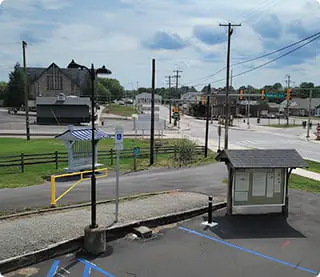
When it comes to your home’s comfort and safety, you want plumbers who understand local homes and local plumbing. Our Doylestown location at 54 E Oakland Ave, Suite 1A, serves the borough and surrounding Bucks County communities, including homes along Route 611.
What you can expect:
- Locally owned, community-focused service
- Licensed plumbers who explain what they find in plain language
- Prompt scheduling and respectful, clean work
- Honest recommendations focused on long-term value
Frequently Asked Questions About Drain Cleaning and Clogged Drain Repair
Why does my drain keep clogging?
Repeat clogs usually point to buildup deeper in the line, a damaged pipe, root intrusion, or habits that send grease or wipes down the drain. A camera inspection can identify the cause.
Are chemical drain cleaners safe to use?
They can harm pipes and create safety risks, and they often do not fully solve the problem. Many homeowners are better served by mechanical methods or professional cleaning.
What is the difference between snaking and hydro jetting?
Snaking breaks through or retrieves a clog. Hydro jetting uses high-pressure water to scour the pipe walls. The right choice depends on the clog and the condition of your pipes.
How long does drain cleaning take?
Timing depends on the location and severity of the clog. Simple clogs are often resolved quickly, while main line work may take longer.
How much does drain cleaning cost?
Cost varies based on the type of clog, the location, and the method required. Contact our team for an estimate.
Can tree roots clog my drain?
Yes. Roots can grow into small cracks and joints in underground lines and cause recurring blockages.
Get Your Drains Flowing Again in Doylestown
A clogged drain is a nuisance at best and a mess at worst. The earlier you address the signs, the more options you have and the less likely a small slowdown becomes a major repair.
When it comes to your home’s comfort and safety, trust a local team that treats your house like a neighbor’s. Christian is ready to help Doylestown homeowners and neighbors across Bucks and Montgomery Counties, from Southampton and Warminster to Lansdale and West Chester.
Ready for a seasonal tune-up or urgent repair? Schedule your appointment with Christian Heating, Cooling, Plumbing & Electrical today.