Trusted Sewer Line Service in Pennsylvania
Inspecting & Fixing Your Sewer Lines in Bucks, Chester, Delaware, and Montgomery Counties, PA
Christian Heating, Cooling, Plumbing & Electrical is proud to serve Southeastern Pennsylvania homeowners with dependable sewer line services — delivered with expertise and care. From Bucks County to Montgomery County to Chester County, our licensed plumbers understand the unique challenges that older homes, mature tree roots, and Pennsylvania’s freeze-thaw winters create for sewer lines. When something goes wrong underground, you need a team that can diagnose it fast and fix it right the first time.
Why Sewer Line Problems Are So Common in Pennsylvania Homes
A lot of the housing stock across Bucks, Montgomery, and Chester counties dates back decades — sometimes a century or more. That means many homes still have original clay, cast iron, or Orangeburg pipe running from the house to the municipal sewer line or septic system. These materials weren’t built to last forever, and they weren’t built to handle the tree-lined streets so common in towns like Doylestown, Newtown, and West Chester.
Add in Pennsylvania’s climate — humid summers that soften soil and snowy winters that cause ground movement — and you’ve got a recipe for shifting pipes, cracked joints, and root intrusion. Homeowners near older neighborhoods often don’t realize there’s a problem until it’s already affecting daily life.
Call NowCommon Problems People Face With Sewer Lines
Most sewer line issues don’t happen overnight. They build slowly, and by the time you notice symptoms, there’s often significant damage already underground. Watch for:
- Slow drains throughout the house, not just in one fixture
- Gurgling sounds coming from toilets or sinks
- Sewage odors in the yard or basement
- Soggy or unusually green patches in the lawn
- Backups in the lowest drain in the home (often a basement floor drain)
- Multiple clogged drains happening around the same time
If you’re noticing more than one of these at once, it’s usually a sign the problem is in the main line rather than an isolated fixture.
What Homeowners Need to Know About Sewer Line Repair
Not every sewer line issue requires digging up the yard anymore. Technology has changed how these repairs happen, and it’s worth understanding your options before assuming the worst.
Video Camera Inspection. Before any work begins, our technicians run a camera through the line to see exactly what’s happening — a root intrusion, a collapsed section, a belly in the pipe, or simple grease buildup. This step alone saves homeowners from paying for guesswork.
Hydro Jetting. For blockages caused by grease, sediment, or minor root intrusion, high-pressure water jetting can clear the line without any excavation. It’s often the first solution we try because it’s fast, affordable, and doesn’t disturb your landscaping.
Trenchless Sewer Repair. When a pipe is cracked, offset, or has minor structural damage, trenchless methods like pipe lining or pipe bursting let us rehabilitate the line through small access points instead of trenching across the entire yard.
Traditional Excavation. For severe collapses or extensive root damage, full excavation may still be the most reliable path. Our team will always walk you through why a repair method is recommended, not just what it costs.
How to Know When You Need Professional Help With a Sewer Line
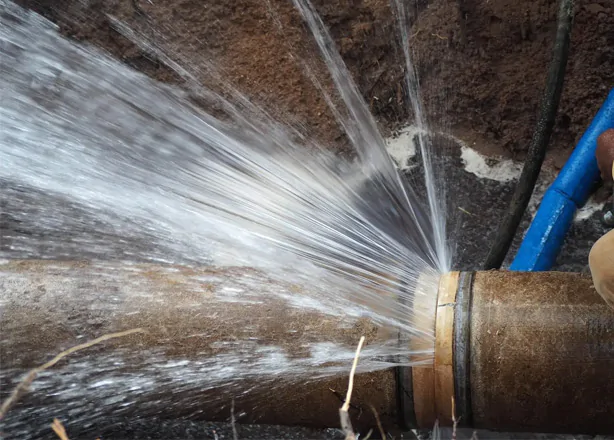
A single slow drain might just need a plunger. But certain signs mean it’s time to call in a professional before the situation gets worse:
- You’ve had the same drain clog more than once in a few months
- Water backs up in a different fixture when you run the dishwasher or shower
- You smell sewage inside or outside the home
- Your yard has unexplained wet spots even without recent rain
- A previous camera inspection showed root intrusion or aging pipe
Waiting on sewer line issues rarely saves money. What starts as a slow drain can turn into raw sewage backing up into a finished basement, and that’s a far more expensive and unpleasant repair.
Don’t wait until your sewer line backs up completely — call Christian Heating, Cooling, Plumbing & Electrical today.
Causes and Effects Behind Sewer Line Failures
Understanding the “why” behind sewer line problems helps homeowners make smarter decisions about repair versus replacement.
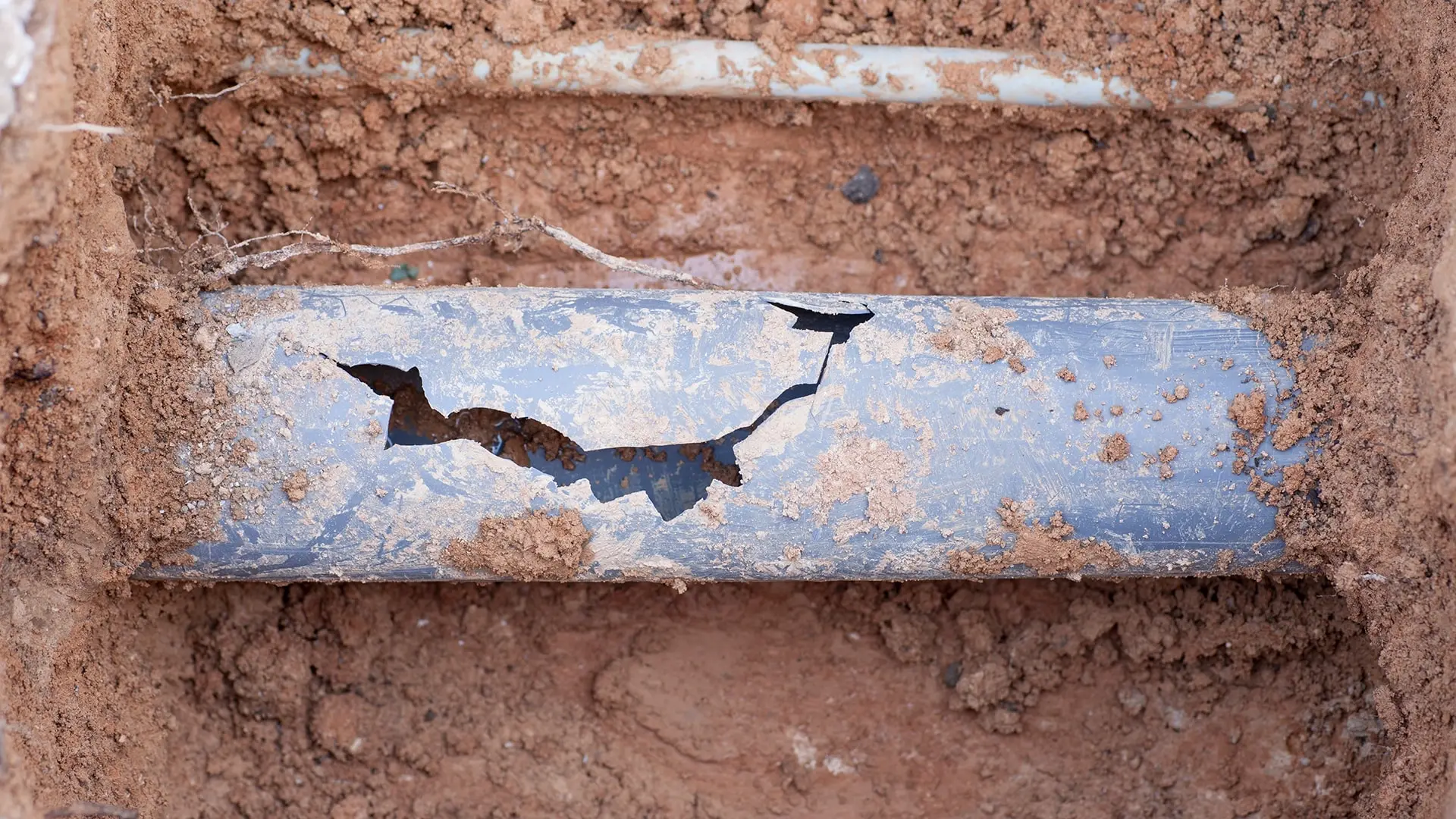
Tree Root Intrusion. Roots seek out moisture, and even a hairline crack in a pipe joint can invite roots in. Once inside, they grow rapidly and expand the crack, eventually causing blockages or full collapses.
Pipe Age and Material. Clay and Orangeburg pipe, common in older Pennsylvania homes, degrade over time. Orangeburg in particular — a material made from wood pulp and pitch — was only ever meant to last a few decades and is now well past its expected lifespan in many local homes.
Ground Shifting. Pennsylvania’s freeze-thaw cycles cause soil to expand and contract each winter. Over years, this movement can shift pipe sections out of alignment, creating low points (bellies) where waste collects and backs up.
Grease and Debris Buildup. Even newer PVC lines aren’t immune. Cooking grease, wipes, and other debris can build up over time, gradually narrowing the pipe until it’s fully blocked.
Repair vs. Replacement: What’s the Right Call?
This is one of the most common questions homeowners ask, and the honest answer is: it depends on what the camera inspection shows.
- Choose repair (lining, jetting, or spot repair) if the pipe has isolated damage, minor cracks, or root intrusion in a limited section.
- Choose full replacement if the pipe shows widespread deterioration, multiple collapsed sections, or is made from outdated material that’s failing throughout its length.
Our technicians will never recommend a full replacement when a targeted repair will genuinely solve the problem — and we’ll show you the video footage so you can see it for yourself.
Frequently Asked Questions About Sewer Line Services
-
How much does sewer line repair cost in Pennsylvania?
Costs vary widely based on the length of the line, depth, method used, and extent of damage. A camera inspection gives us — and you — an accurate picture before any pricing conversation happens.
-
Can trenchless repair be done in winter?
In most cases, yes. Ground temperature and frost depth can affect timing for certain excavation work, but trenchless methods are often still viable through Pennsylvania’s colder months.
-
How long does a sewer line camera inspection take?
Most inspections take under an hour and give homeowners immediate answers instead of days of uncertainty.
-
Will homeowners insurance cover sewer line repair?
Coverage depends on your policy and the cause of failure. We’re happy to provide documentation from our inspection that you can share with your insurance provider.
Serving Southeastern Pennsylvania With Reliable Sewer Line Solutions
Christian Heating, Cooling, Plumbing & Electrical has been trusted across Bucks County, Montgomery County, and Chester County — including communities like Southampton, Warminster, Doylestown, Horsham, Lansdale, West Chester, Downingtown, and Exton — for honest plumbing diagnostics and dependable repairs. Our technicians are licensed, background-checked, and equipped with the latest camera and trenchless technology to solve sewer line problems with as little disruption to your property as possible.
When it comes to your home’s plumbing and safety, trust the experts who have been serving Southeastern Pennsylvania for decades. Call Christian Heating, Cooling, Plumbing & Electrical today to schedule your sewer line inspection or repair.