Licensed Electrical Panel Upgrades & Breaker Replacement in Doylestown
Christian Heating, Cooling, Plumbing & Electrical is proud to serve Doylestown with dependable home comfort and repair services, delivered with expertise and care. Your electrical panel is the control center for every light, outlet, and appliance in your home, and when it is outdated or overloaded, it can affect both your comfort and your safety.
Imagine a snowy evening in Doylestown. The oven is on, the dryer is running, the space heater is humming in the den, and the lights dim for a second before a breaker trips and half the house goes dark. If that sounds familiar, your panel may be trying to tell you something.
Call NowWhat Does an Electrical Panel Do?
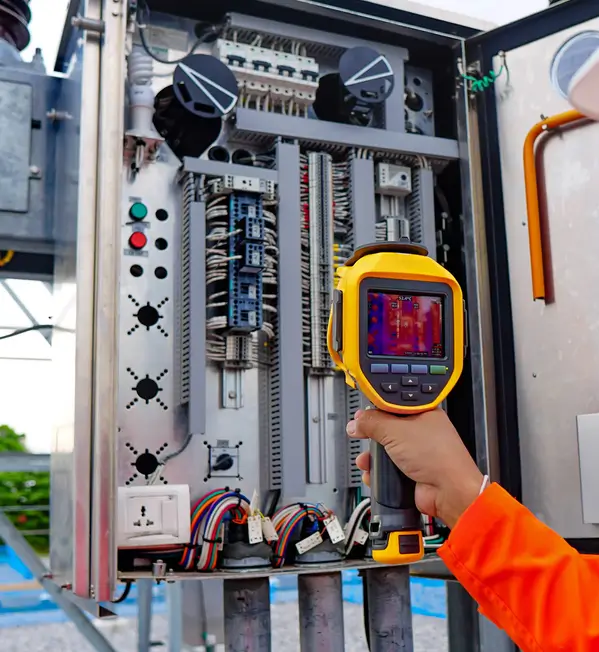
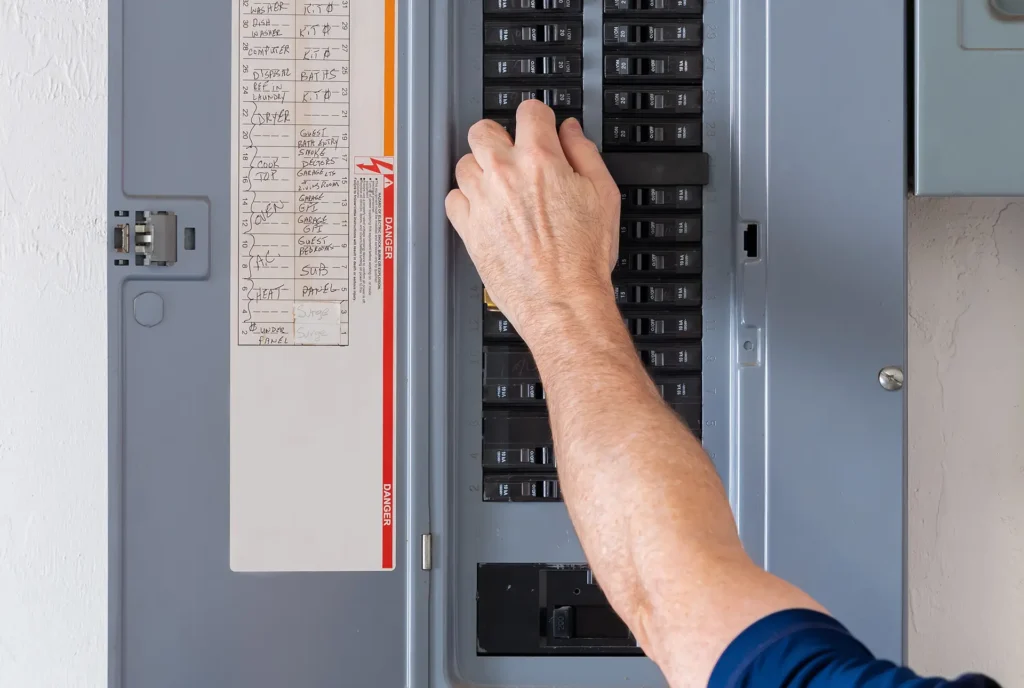
The electrical panel, sometimes called a breaker box, receives power from the utility and distributes it to the circuits throughout your home. Each circuit has a breaker that acts as a safety device. If too much current flows, the breaker trips and shuts off power to prevent overheating.
A healthy panel keeps electricity flowing safely. A worn, undersized, or damaged panel can struggle to do that job.
Concerned about your electrical panel? Call Christian Heating, Cooling, Plumbing & Electrical in Doylestown today for fast, reliable service.
What Are the Signs You Need an Electrical Panel Upgrade?
Many Doylestown homes, from historic properties near the borough to newer builds along Route 611, were wired for a very different level of electrical demand than modern households create. Watch for these signs:
- Frequently tripping breakers: Occasional trips happen, but repeated tripping suggests overloaded circuits or a failing breaker.
- Flickering or dimming lights: Especially when large appliances turn on.
- Burning smell near the panel or outlets: This is a serious warning sign.
- Warm or discolored panel cover or outlets: Heat and scorch marks point to a problem.
- Buzzing, humming, or crackling sounds: Healthy panels are quiet.
- Rust or moisture inside or around the panel: Water and electricity do not mix.
- Fuse box or older panel: Fuse-based systems and aging panels often cannot handle modern loads.
- Not enough outlets or reliance on extension cords and power strips
- Planned additions: A new addition, finished basement, EV charger, hot tub, or major appliances may need more capacity.
- A home that is several decades old with the original panel
If you notice a burning smell, smoke, sparks, or a hot panel, stay away from it and call emergency services right away.
Why Do Panels Need to Be Upgraded?
There are several reasons a panel upgrade makes sense.
- Safety: Older or damaged equipment can overheat or fail to trip when it should.
- Capacity: Modern homes use far more power than homes did decades ago. Think central air or heat pumps, electric dryers, dishwashers, home offices, and EV chargers.
- Reliability: A modern panel with properly sized breakers reduces nuisance trips and power interruptions.
- Home improvement: Remodels and additions often require extra circuits.
- Insurance and resale: Some insurers and buyers look closely at the age and condition of the electrical system.
- Known problem equipment: Certain older panel models have been associated with reliability concerns. A licensed electrician can identify what you have and advise you.
What Is the Difference Between a Panel Upgrade and a Breaker Replacement?
These two services solve different problems.
Breaker replacement is usually the right fix when:
- A single breaker is worn, damaged, or no longer trips correctly.
- A breaker will not reset or feels hot.
- The rest of the panel is in good shape and has room for the circuit.
A panel upgrade is usually the right fix when:
- The panel is outdated, damaged, or at capacity.
- You are adding major loads like a heat pump, EV charger, or generator.
- Breakers trip repeatedly across multiple circuits.
- The panel shows signs of overheating, rust, or burn marks.
- You have a fuse box and want modern protection.
An electrician can inspect your system and tell you which path fits your home.
What Happens During an Electrical Panel Upgrade?
Knowing the process helps take the mystery out of it. Here is what a typical upgrade involves.
- Evaluation. A licensed electrician inspects your current panel, wiring, and electrical needs, and discusses any plans for the future.
- Load assessment. The electrician determines how much capacity your home requires now and later.
- Plan and scope. You receive an explanation of the recommended panel size, features, and any related work.
- Permits and coordination. Panel upgrades typically involve permits, inspections, and coordination with the utility, depending on local requirements.
- Power shutoff. Power to the home is shut off for the safety of the crew and for the swap itself.
- Installation. The old panel is removed, the new panel is installed, and circuits are reconnected, labeled, and protected with appropriate breakers.
- Grounding and bonding. These critical safety connections are checked and updated as needed.
- Testing. Every circuit is tested to confirm safe, proper operation.
- Inspection and restoration. Once the work passes inspection, power is restored.
- Walkthrough. You should receive a clear explanation of your new panel, a labeled directory, and tips for use.
The timeline depends on your home, the scope of work, and local inspection schedules, so ask your electrician for an estimate.
What Does Breaker Replacement Involve?
Replacing a breaker is not the same as swapping a lightbulb. It happens inside a live panel, and mistakes can cause serious injury.
A professional breaker replacement typically includes:
- Diagnosing why the breaker is tripping, since the breaker is sometimes the symptom rather than the cause
- Confirming the correct breaker type, size, and compatibility with your panel
- Safely de-energizing the right parts and installing the new breaker
- Testing the circuit under load
- Checking for loose connections, scorching, or damage inside the panel
If the same breaker keeps tripping, replacing it without finding the root cause can hide a real problem.
Can You Replace a Panel or Breaker Yourself?
We strongly recommend against it.
- Electrical shock risk: Even with the main breaker off, parts of the panel can remain energized.
- Fire risk: Improper connections or the wrong breaker can overheat.
- Code and permit requirements: Panel work usually requires permits and inspection.
- Insurance and warranty issues: Unpermitted or improper electrical work can cause trouble later.
Safe homeowner tasks include resetting a tripped breaker once, labeling circuits, and noting patterns. Anything beyond that is a job for a licensed electrician.
What Can You Do to Reduce Electrical Strain at Home?
While you plan for professional help, a few habits can lower the load.
- Avoid running several high-power appliances on the same circuit at once.
- Do not rely on extension cords as permanent wiring.
- Unplug devices you are not using.
- Pay attention to which breaker trips and when.
- Never tape down or bypass a breaker that keeps tripping.
- Consider whole-home surge protection to help protect electronics and appliances.
Why Choose a Local Doylestown Team?
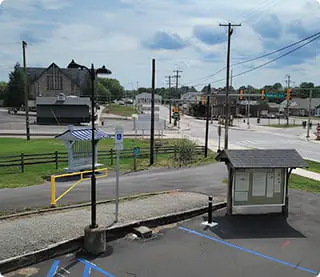
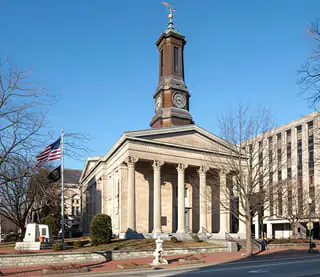
When it comes to your home’s comfort and safety, you want electricians who understand local homes and local codes. Our Doylestown location at 54 E Oakland Ave, Suite 1A, serves the borough and surrounding Bucks County communities.
What you can expect:
- Locally owned, community-focused service
- Licensed electricians who explain the work in plain language
- Prompt scheduling and respectful, clean work
- Honest recommendations focused on safety and long-term value
Frequently Asked Questions About Electrical Panel Upgrades and Breaker Replacement
How do I know if my electrical panel is outdated?
Signs include frequent breaker trips, a fuse box, flickering lights, buzzing sounds, rust, burn marks, and a panel that is decades old. An electrician can tell you for sure.
How long does a panel upgrade take?
It depends on the home, the scope of work, and inspection schedules. Your electrician can give you an estimate after evaluating your system.
How much does a panel upgrade cost?
Cost varies by panel size, the condition of your wiring, and local requirements. Contact our team for an evaluation and a quote.
Why does my breaker keep tripping?
Common causes include overloaded circuits, short circuits, ground faults, and a worn breaker. Repeated trips deserve a professional look.
Do I need an upgrade to install an EV charger or heat pump?
Not always, but new high-demand equipment may require more capacity. A load assessment will answer the question.
Power Your Doylestown Home with Confidence
An electrical panel is easy to ignore until something goes wrong. A little attention now, whether that means replacing a worn breaker or upgrading an outdated panel, can protect your family and your home and give you the capacity you need for the way you live today.
When it comes to your home’s comfort and safety, trust a local team that treats your house like a neighbor’s. Christian is ready to help Doylestown homeowners and neighbors across Bucks and Montgomery Counties, from Southampton and Warminster to Lansdale and West Chester.
Spot an electrical issue? Schedule service before it becomes a safety hazard.