
Reliable Furnace Tune-Up & Maintenance in Villanova
Plan your furnace tune-up now to avoid being left out in the cold.
Christian Heating, Cooling, Plumbing & Electrical is proud to serve Villanova with dependable home comfort and repair services, delivered with expertise and care. A yearly furnace tune-up helps your system start the season clean, efficient, and ready to handle everything a Southeastern Pennsylvania winter can throw at it.
Here is a scene many homeowners know well. It is a raw January night, the forecast says ice, and the furnace starts making a sound it has never made before. A tune-up in the fall is how you make sure that call never has to happen at 10 p.m.
Call NowWhy Is Furnace Maintenance Worth It?
Your furnace does the same job day after day, and that steady workload takes a toll. Dust settles on components, burners collect residue, and small parts wear out slowly. A tune-up resets the system so minor issues do not grow into major ones.
For Villanova homeowners, a few local factors make maintenance especially useful:
- Established homes: Many properties in the area have older furnaces, long duct runs, or equipment that has been in place for years.
- Cold, damp winters: Snow, ice, and long cold stretches keep systems running hard.
- Seasonal allergies: Pollen in spring and fall can clog filters faster than you expect, which affects airflow all year.
- Large or multi-level layouts: Bigger homes depend on strong, even airflow to keep every room comfortable.
Here is what regular maintenance helps you achieve:
- Fewer breakdowns during the coldest weeks
- Better efficiency and more stable energy bills
- A longer service life for your equipment
- Safer operation and cleaner combustion
- More consistent comfort from room to room
Want a furnace that is ready before the first freeze? Call Christian Heating, Cooling, Plumbing & Electrical in Villanova today for fast, reliable service.
What Does a Furnace Tune-Up Include?
A proper furnace tune-up is a hands-on inspection, not a quick glance. Here is how it typically unfolds.
- Conversation about your concerns. Noises, cold rooms, odd smells, or higher bills all help guide the visit.
- Thermostat testing. The technician confirms the thermostat communicates properly with the furnace.
- Filter check. A dirty filter is replaced so airflow is not restricted.
- Burner and igniter cleaning. Clean burners and a strong ignition help the furnace light and run smoothly.
- Heat exchanger inspection. The technician looks for signs of cracks or corrosion, which can be a safety concern.
- Flame sensor and safety switches. These controls shut the system down when something is wrong, so they need to work reliably.
- Blower assembly. The blower motor and wheel are cleaned and checked for smooth operation.
- Gas pressure and connections. Gas furnaces are tested for proper pressure and secure connections.
- Flue and venting. Exhaust gases need a clear, safe path out of your home.
- Condensate system. High-efficiency furnaces are checked for clogged drains or pumps.
- Electrical components. Wiring, terminals, and capacitors are inspected for wear.
- Final test cycle. The furnace runs a full cycle to confirm it heats safely and effectively.
You should leave with a clear explanation of what was done and a heads-up about anything that may need attention down the road.
How Often Should You Have Your Furnace Serviced?
Once a year is the standard guideline, and early fall is the sweet spot. That gives you time to schedule repairs, if any are needed, before the heaviest demand begins.
Consider more frequent checks if:
- Your furnace is older or has a repair history.
- Someone in your household has allergies or asthma.
- You have pets, which can add hair and dander to filters and components.
- You recently renovated, which can send dust through the system.
- You have noticed a change in how the furnace sounds, smells, or performs.
What Are the Warning Signs Your Furnace Needs Attention?
You do not have to wait for your yearly visit if something seems off. Pay attention to:
- Cold spots or uneven rooms
- New or loud noises: Banging, squealing, rattling, or grinding
- The furnace turning on and off frequently
- Weak airflow from vents
- Higher energy bills with no change in your routine
- A burner flame that is yellow or orange instead of steady blue (gas furnaces)
- Persistent burning, dusty, or musty smells
- A furnace that is 15 or more years old
If you ever smell gas, leave the home right away and call your gas utility and emergency services from outside.
What Can You Do Yourself Between Visits?
A few simple habits make a difference.
- Replace the air filter every one to three months during heating season, or as directed by the manufacturer.
- Keep supply and return vents open and clear of furniture and rugs.
- Clear the space around your furnace so there is nothing stored against it.
- Check outdoor vents and intakes for snow, ice, leaves, or debris.
- Test smoke and carbon monoxide detectors monthly and replace batteries as needed.
- Keep notes. If you hear or smell something unusual, write down when it happens.
Anything involving the burner, gas valve, heat exchanger, or electrical parts should be left to a licensed professional.
Ready for a seasonal tune-up or urgent repair? Schedule your appointment with Christian Heating, Cooling, Plumbing & Electrical today.
DIY Care vs. Professional Tune-Up: What Is the Difference?
Both have a place, but they are not interchangeable.
You can handle:
- Filter changes
- Clearing vents and keeping the area tidy
- Visual checks for dust, moisture, or debris
- Testing detectors
A professional should handle:
- Burner and ignition cleaning and adjustment
- Heat exchanger and safety control testing
- Gas pressure and combustion checks
- Electrical inspections
- Venting and carbon monoxide safety checks
Should You Repair or Replace Your Furnace?
A tune-up often makes the answer clearer. Here is a simple comparison.
Repair usually makes sense when:
- The furnace is relatively young.
- The issue is a single part, such as an igniter, flame sensor, or capacitor.
- The unit has been maintained regularly.
Furnace replacement may make sense when:
- The furnace is 15 or more years old and repairs are adding up.
- A cracked heat exchanger or other major safety issue is found.
- Your energy bills keep climbing despite maintenance.
- Comfort problems continue after repairs.
If replacement is on the table, a high-efficiency furnace or a heat pump may be worth a look. Your technician can explain the tradeoffs so you can choose with confidence.
Why Choose a Local Villanova Team?
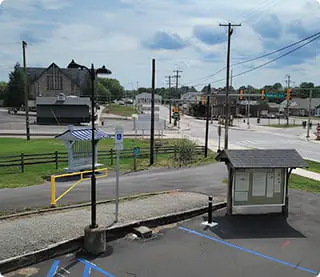
When it comes to your home’s comfort and safety, it helps to work with people who understand local homes and local weather. Our Villanova location at 252 N Radnor Chester Rd, #2F, serves homeowners in the area and the surrounding communities.
What you can expect:
- Locally owned, community-focused service
- Licensed technicians who explain findings in plain language
- Prompt scheduling and respectful, clean work
- Honest recommendations focused on safety and long-term value
Frequently Asked Questions About Furnace Tune-Ups
How much does a furnace tune-up cost?
Pricing depends on the type of system and what is included. Contact our team for current pricing and scheduling.
How long does a furnace tune-up take?
It varies with the type and condition of your furnace, but a standard tune-up is generally completed in a single visit.
Will a tune-up help lower my heating bills?
A clean, properly adjusted furnace generally runs more efficiently, though results depend on the age and condition of your equipment.
Does skipping maintenance affect my warranty?
It can. Many manufacturers expect regular professional service, so check your warranty paperwork and keep your records.
My furnace seems to be working fine. Do I still need a tune-up?
Yes. A furnace can seem normal while a worn part or a safety issue goes unnoticed. A tune-up is about prevention.
Is a tune-up different for a heat pump?
Yes. Heat pumps run year-round and need coil cleaning, refrigerant checks, and defrost cycle testing, in addition to filter and electrical checks.
Start the Season with Confidence in Villanova
A furnace asks for very little, but a yearly tune-up makes a big difference. It keeps your system clean, efficient, and safe, and it gives you one less thing to think about when the temperature drops.
When it comes to your home’s comfort and safety, trust a local team that treats your house like a neighbor’s. Christian is ready to help Villanova homeowners and neighbors across Southeastern Pennsylvania, from West Chester and Malvern to King of Prussia and Plymouth Meeting.
Need expert HVAC, plumbing, or electrical help? Contact Christian Heating, Cooling, Plumbing & Electrical now.