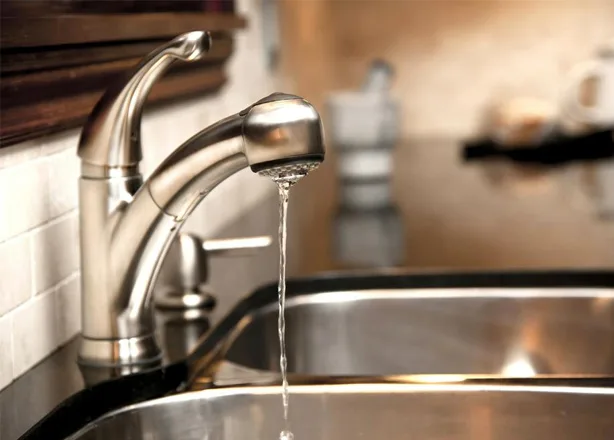
Low water pressure can make simple household tasks unnecessarily frustrating. A weak shower, slow-filling washing machine, or faucet that barely produces a steady stream may indicate a problem with your plumbing system.
Christian Heating, Cooling, Plumbing & Electrical helps homeowners resolve water pressure problems in Pennsylvania, including Bucks, Montgomery, and Chester counties. Our experienced plumbers identify the source of inconsistent water pressure and recommend practical solutions that restore dependable water flow.
Whether your pressure suddenly dropped or has gradually weakened over time, professional diagnosis can help prevent more serious plumbing problems.
Call Christian Heating, Cooling, Plumbing & Electrical at (267) 434-1989 to schedule a water pressure inspection today.
What Causes Low Water Pressure in Your Home?
Low water pressure occurs when the plumbing system cannot deliver adequate pressure or flow to your fixtures. The problem may originate inside your home or from the incoming water supply.
Common causes include:
- Corroded pipes: Aging pipes develop internal buildup that restricts water flow.
- Mineral deposits: Sediment and minerals accumulate inside pipes, valves, and fixtures.
- Plumbing leaks: Damaged supply lines allow water to escape before reaching fixtures.
- Faulty pressure regulators: Malfunctioning valves can reduce incoming water pressure.
- Partially closed shutoff valves: Restricted valves limit the amount of water entering your home.
- Municipal supply issues: Problems with the public water distribution system can affect household pressure.
Homes in established communities such as Doylestown, Warminster, and West Chester may have older plumbing systems that require additional attention.
Identifying the cause is important because different pressure problems require different solutions.
What Are the Signs of Water Pressure Problems?
Water pressure problems often develop gradually, making them easy to overlook until everyday activities become inconvenient.
Weak Water Flow From Faucets
If your kitchen or bathroom faucet produces less water than usual, the problem may involve a clogged aerator, restricted supply line, or another plumbing component.
When several faucets experience weak flow, the issue may be more widespread.
Poor Shower Pressure
Weak shower pressure can result from mineral buildup inside the showerhead or inadequate supply pressure.
If every shower in your home has the same problem, professional plumbing inspection may be necessary.
Pressure Drops When Multiple Fixtures Run
Does your shower suddenly weaken when someone starts the dishwasher?
This can indicate insufficient supply pressure, undersized piping, or restrictions that prevent adequate water flow during simultaneous use.
Sudden Changes in Water Pressure
An unexpected pressure drop deserves attention, especially when accompanied by unusual plumbing noises, visible moisture, or increased water bills.
These symptoms may indicate a damaged water line or hidden leak.
Why Is Water Pressure Too High?
Excessive water pressure can be just as problematic as low pressure. Although strong water flow may seem desirable, too much pressure places unnecessary stress on household plumbing.
Potential warning signs include:
- Banging or rattling pipes
- Frequent faucet leaks
- Premature fixture wear
- Leaking appliance connections
- Problems with the pressure-reducing valve
Residential plumbing systems generally should not exceed 80 pounds per square inch (psi) of static pressure under widely adopted plumbing standards.
A plumber can measure your home’s pressure and determine if regulator adjustments or repairs are necessary.
How Are Water Pressure Problems Diagnosed?
Professional diagnosis helps identify the underlying issue before repairs begin.
Step 1: Measure Water Pressure
A plumber measures pressure at an appropriate testing point to determine if the incoming supply is within an acceptable range.
Step 2: Inspect Plumbing Components
The technician examines accessible pipes, shutoff valves, pressure regulators, and fixtures for restrictions or signs of deterioration.
Step 3: Check for Leaks
Hidden leaks can contribute to declining water pressure. Depending on the symptoms, professional leak detection may be recommended.
Step 4: Evaluate Water Flow
Testing multiple fixtures helps determine if the problem affects one location or the entire house.
Step 5: Recommend Repairs
After identifying the likely cause, the plumber explains the available solutions and recommended next steps.
What Are the Best Solutions for Water Pressure Problems?
The right repair depends on what is restricting or disrupting your home’s water supply.
Pressure Regulator Repair or Replacement
A malfunctioning pressure-reducing valve may cause unusually high or low pressure. Repairing or replacing the component can restore appropriate pressure control.
Pipe Repair or Replacement
Corroded, damaged, or leaking pipes may need repair or replacement to restore adequate water flow.
Older galvanized pipes can develop significant internal corrosion, making replacement more practical than repeated repairs.
Faucet and Fixture Repairs
When low pressure affects only one fixture, cleaning an aerator or repairing a faulty valve may resolve the problem.
Water Line Repairs
A damaged main water supply line can affect pressure throughout the home. Professional water line inspection and repair can address leaks or deteriorated piping.
Booster Pump Installation
If your home’s incoming water pressure is consistently insufficient and the plumbing system is otherwise functioning correctly, a booster pump may help.
Professional booster pump installation can increase pressure when the available water supply and system design support it.
Can You Fix Low Water Pressure Yourself?
Some minor water pressure problems have simple explanations. Homeowners can perform a few basic checks before scheduling service.
Try the following:
- Check whether the problem affects one fixture or several.
- Remove and clean a clogged faucet aerator.
- Check that accessible shutoff valves are fully open.
- Ask nearby neighbors if they are experiencing similar pressure problems.
- Look for visible leaks beneath sinks or around plumbing connections.
Avoid adjusting pressure regulators or modifying water supply piping without professional assistance.
If pressure remains inconsistent, a plumber can investigate more complex problems.
Why Should You Address Water Pressure Problems Quickly?
Ignoring water pressure problems can allow underlying plumbing issues to worsen.
A hidden leak, for example, may continue damaging flooring, drywall, or structural materials while gradually reducing available water pressure.
High pressure can also shorten the lifespan of plumbing fixtures, valves, and appliance connections.
Southeastern Pennsylvania’s snowy winters create additional concerns for vulnerable plumbing. Freezing temperatures can damage exposed or poorly insulated pipes, potentially causing leaks and sudden pressure changes.
Prompt inspections help identify problems before they lead to more extensive repairs.
Why Choose Us for Water Pressure Repairs in Pennsylvania?
Christian Heating, Cooling, Plumbing & Electrical has served Southeastern Pennsylvania homeowners since 1989, providing comprehensive plumbing, heating, cooling, and electrical services.
Our licensed plumbers diagnose pressure problems and recommend repairs based on the condition of your plumbing system.
Homeowners choose us for:
- Experienced, licensed plumbing professionals
- Thorough water pressure evaluations
- Leak detection and pipe repair services
- Pressure regulator and fixture repairs
- Booster pump installation options
- 24/7 emergency plumbing availability
- Clear communication and professional service
Our goal is to identify the cause of your water pressure problem and provide a solution that supports dependable household plumbing.
Where Do We Repair Water Pressure Problems in Pennsylvania?
We provide plumbing services throughout Southeastern Pennsylvania, including:
Bucks County: Southampton, Warminster, Doylestown, Bensalem, Feasterville, Newtown, and Langhorne.
Montgomery County: Abington, Horsham, Willow Grove, Hatboro, Lansdale, North Wales, King of Prussia, and Plymouth Meeting.
Chester County: West Chester, Downingtown, Exton, and Malvern.
We also serve nearby communities, including Upper Dublin, Lower Moreland, Hatfield, and Collegeville.
From established neighborhoods near PA Route 611 to newer residential developments throughout Chester County, our plumbers work with a variety of household plumbing systems.
Frequently Asked Questions About Water Pressure Problems
Why is my water pressure suddenly low?
Sudden pressure loss may result from a plumbing leak, partially closed valve, faulty pressure regulator, or municipal water supply issue. If multiple fixtures are affected, professional inspection can help identify the cause.
What is normal water pressure for a house?
Many homes operate comfortably with water pressure around 40–60 psi, although requirements vary by plumbing system. Static pressure above 80 psi generally requires pressure regulation under widely adopted plumbing codes.
Can a clogged pipe cause low water pressure?
Yes. Mineral deposits, corrosion, and other restrictions can reduce water flow through plumbing pipes. A plumber can determine if cleaning, repair, or replacement is appropriate.
Why is my hot water pressure lower than my cold water pressure?
Low pressure affecting only hot water may involve the water heater, a partially closed valve, sediment buildup, or restrictions in hot water piping. Professional inspection can identify the affected component.
When should I call a plumber about water pressure?
Schedule service when pressure problems affect multiple fixtures, worsen over time, or occur alongside leaks, unusual noises, or unexpected water bills. Sudden severe pressure loss may require more urgent attention.
Schedule Water Pressure Repair in Pennsylvania Today
Weak or inconsistent water pressure doesn’t have to disrupt your daily routine. Identifying the underlying problem can restore convenience while helping protect your plumbing system from unnecessary damage.
Christian Heating, Cooling, Plumbing & Electrical provides professional water pressure diagnosis and repair throughout Bucks, Montgomery, and Chester counties.
To schedule service, you can make an online request or give us a call at 267-434-1989 today.