Trusted Booster Pump Installation in Pennsylvania
Weak water pressure can make everyday tasks frustrating. From slow-filling washing machines to disappointing showers, inconsistent pressure affects how comfortably your household functions.
Christian Heating, Cooling, Plumbing & Electrical provides professional booster pump installation in Pennsylvania, helping homeowners throughout Bucks, Montgomery, and Chester counties improve water pressure. Our experienced plumbers identify the cause of pressure problems and recommend solutions suited to your home’s plumbing system.
If your water pressure remains weak even when other fixtures aren’t running, a booster pump may be the solution.
Contact Christian Heating, Cooling, Plumbing & Electrical today to schedule a water pressure evaluation.
What Is a Water Pressure Booster Pump?
A water pressure booster pump increases pressure in your home’s water supply system. It helps deliver stronger, more consistent water pressure to faucets, showers, and appliances when incoming pressure is insufficient.
Booster pumps are typically installed along the main water supply line and can serve multiple fixtures throughout the home.
Common components include:
- Pump motor: Increases water pressure as water moves through the system.
- Pressure sensor: Monitors pressure and controls pump operation.
- Pressure tank: Helps stabilize pressure in systems equipped with one.
- Control system: Regulates pump performance based on water demand.
Professional installation ensures the equipment matches your home’s water supply, plumbing configuration, and pressure requirements.
Call Now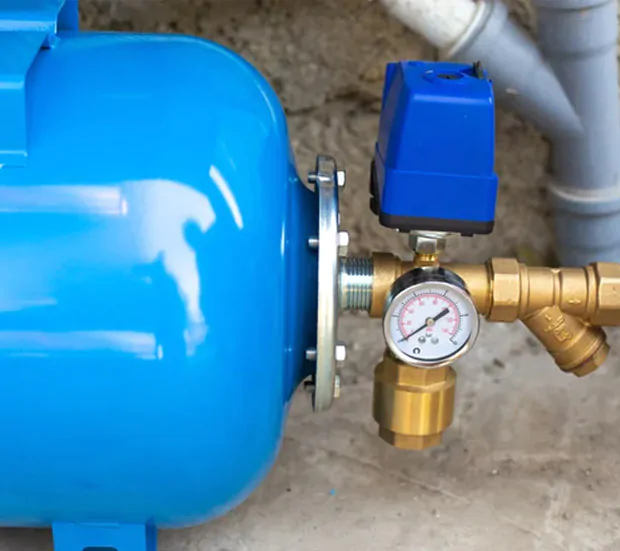
What Is A Booster Pump?
How Do You Know If You Need Booster Pump Installation?
Several warning signs may indicate that your home needs additional water pressure.
Weak Water Pressure Throughout the House
If multiple faucets and showers produce weak water flow, your home’s incoming supply pressure may be insufficient. A booster pump can help when low supply pressure is the underlying problem.
Water Pressure Drops When Multiple Fixtures Run
Does your shower lose pressure whenever someone turns on the kitchen faucet? Simultaneous water use can reveal pressure limitations or restrictions within your plumbing system.
Low Pressure in Upstairs Bathrooms
Water pressure naturally decreases as water travels upward. Homes with multiple floors may benefit from a booster pump when the existing supply cannot adequately serve upper-level fixtures.
Slow-Filling Appliances
Washing machines, bathtubs, and other fixtures may take longer to fill when pressure is inadequate. If several fixtures experience similar problems, a professional plumbing inspection can help identify the cause.
What Causes Low Water Pressure in Pennsylvania Homes?
Not every water pressure problem requires a booster pump. Understanding the underlying cause helps prevent unnecessary equipment installation.
Common causes include:
- Low municipal supply pressure: Some properties receive insufficient pressure from the local water distribution system.
- Aging plumbing: Older pipes may develop corrosion or mineral buildup that restricts water flow.
- Faulty pressure regulators: A malfunctioning pressure-reducing valve can limit water pressure.
- Hidden plumbing leaks: Leaking supply lines may reduce available pressure.
- Well system problems: Homes using private wells may experience issues involving the well pump or pressure tank.
Older homes in Doylestown, Southampton, and West Chester may have plumbing configurations that differ significantly from newer properties in Exton or Downingtown.
A professional evaluation helps determine if the issue requires plumbing repairs, pressure adjustments, or booster pump installation.
How Does Professional Booster Pump Installation Work?
Proper installation starts with evaluating your home’s water pressure and plumbing system.
1. Water Pressure Assessment
A plumber measures incoming pressure, checks water flow, and inspects relevant plumbing components. This helps determine whether a booster pump is appropriate.
2. Pump Selection
The correct booster pump depends on several factors:
- Household size and water demand
- Number of bathrooms and fixtures
- Incoming water pressure
- Pipe size and condition
- Available installation space
- Electrical requirements
Selecting the right pump prevents inadequate performance or excessive pressure.
3. Professional Installation
The technician installs the pump in an appropriate location along the water supply system. Necessary valves, controls, and protective components are added according to equipment requirements and applicable plumbing standards.
4. Testing and Adjustments
After installation, the plumber checks for leaks, verifies operating pressure, and tests performance under normal household demand.
The technician also explains basic operation and maintenance recommendations.
Ready to improve your home’s water pressure? Schedule professional booster pump installation with Christian Heating, Cooling, Plumbing & Electrical.
What Are the Benefits of a Water Pressure Booster Pump?
A properly installed booster pump can make daily household activities more convenient.
More Comfortable Showers
Improved pressure helps provide a steadier stream of water, especially in bathrooms located farther from the main supply.
Better Performance With Multiple Fixtures
An appropriately sized system can help maintain pressure when several fixtures operate simultaneously, provided the available water supply supports the demand.
Improved Upper-Floor Pressure
Booster pumps can compensate for pressure losses associated with elevation in multistory homes.
More Consistent Household Water Pressure
A properly configured system can reduce pressure fluctuations caused by insufficient incoming supply pressure.
These improvements depend on your plumbing system’s condition and the booster pump’s capacity.
Should You Repair Your Plumbing or Install a Booster Pump?
A booster pump is not always necessary. Some pressure problems can be corrected through targeted plumbing repairs.
| Water Pressure Problem | Potential Solution |
| Low incoming supply pressure | Booster pump installation |
| Faulty pressure regulator | Regulator repair or replacement |
| Corroded or restricted pipes | Pipe repair or replacement |
| Hidden plumbing leak | Professional leak detection and repair |
| Low pressure at one faucet | Fixture inspection or cleaning |
| Weak pressure upstairs | Plumbing evaluation and possible booster pump |
Installing a booster pump without addressing existing restrictions or leaks may not solve the problem.
Our plumbers evaluate your system and explain the available options before recommending equipment.
How Much Does Booster Pump Installation Cost?
Booster pump installation costs vary depending on the equipment and plumbing modifications required.
Factors affecting pricing include:
- Pump size and capacity
- Standard or variable-speed operation
- Existing plumbing configuration
- Electrical connection requirements
- Installation accessibility
- Additional valves or protective components
A professional assessment provides a more accurate estimate based on your home’s specific requirements.
How Do You Maintain a Water Pressure Booster Pump?
Routine maintenance helps support dependable pump performance.
Homeowners can take several simple steps:
- Monitor water pressure for unexpected changes.
- Check visible plumbing connections for leaks.
- Listen for unusual noises or excessive vibration.
- Keep the pump accessible for inspections.
- Follow manufacturer maintenance recommendations.
- Schedule professional service if the pump cycles excessively.
Avoid adjusting pressure settings without professional guidance. Excessive water pressure can damage pipes, fixtures, and appliances.
Why Choose Us for Booster Pump Installation in Pennsylvania?
Christian Heating, Cooling, Plumbing & Electrical is a locally owned company serving Southeastern Pennsylvania homeowners with professional plumbing, heating, cooling, and electrical services.
Our technicians focus on identifying the actual cause of plumbing problems before recommending repairs or equipment.
Homeowners choose us for:
- Experienced plumbing professionals
- Thorough water pressure evaluations
- Equipment recommendations based on household needs
- Clear communication and professional service
- Comprehensive residential plumbing solutions
- Local service throughout Southeastern Pennsylvania
We understand how disruptive weak water pressure can be and work to provide practical, lasting solutions.
Where Do We Install Booster Pumps in Pennsylvania?
We serve homeowners throughout Southeastern Pennsylvania, including:
Bucks County: Southampton, Warminster, Doylestown, Bensalem, Feasterville, Newtown, and Langhorne.
Montgomery County: Abington, Horsham, Willow Grove, Hatboro, Lansdale, North Wales, King of Prussia, and Plymouth Meeting.
Chester County: West Chester, Downingtown, Exton, and Malvern.
Additional service communities include Lower Moreland, Upper Dublin, Hatfield, and Collegeville.
From established neighborhoods near PA Route 611 to newer developments throughout Chester County, we help homeowners address water pressure problems in properties with different plumbing layouts and water demands.
Frequently Asked Questions About Booster Pump Installation
Can a booster pump increase water pressure throughout my house?
Yes. A whole-home booster pump can improve pressure at multiple fixtures when low incoming pressure is the underlying issue. Results depend on the available water supply, pipe capacity, and equipment selection.
How long does booster pump installation take?
Straightforward installations may take several hours, while projects requiring additional plumbing or electrical modifications can take longer. A plumber can provide a more accurate estimate after evaluating your home.
Can a booster pump damage my plumbing?
An improperly sized or adjusted pump can create excessive pressure that stresses plumbing components. Professional installation helps ensure the system operates within appropriate pressure limits.
Will a booster pump work with a private well?
Booster pumps can work with some well systems, but the existing well pump, pressure tank, and available water supply must be evaluated first. Not every well pressure problem requires additional equipment.
How long do residential booster pumps last?
Lifespan varies depending on equipment quality, usage, water conditions, and maintenance. Proper sizing and routine inspections can help reduce unnecessary wear and extend service life.
Schedule Booster Pump Installation in Pennsylvania Today
Christian has helped many area homeowners overcome their water pressure issues with a booster pump installation and can do the same for your home. Contact us today to schedule an in-home consultation or with any additional questions about the booster pumps we offer.