

Trusted Indoor Air Quality Services in Pennsylvania
Professional Indoor Air Quality Solutions in Bucks, Chester, Delaware, and Montgomery Counties, PA.
The air inside your home affects your comfort every day. Dust, allergens, excess humidity, and poor ventilation can make rooms feel stuffy and create an uncomfortable living environment.
Christian Heating, Cooling, Plumbing & Electrical provides professional indoor air quality services in Pennsylvania, helping homeowners throughout Bucks, Montgomery, and Chester counties create cleaner, more comfortable indoor spaces. Our experienced HVAC technicians evaluate your home’s air quality concerns and recommend solutions suited to your heating and cooling system.
From whole-home air cleaners to humidity control, we help address common indoor air quality problems.
Call NowWhat Are the Signs of Poor Indoor Air Quality?
Indoor air quality problems are not always obvious. Some homeowners notice recurring dust or uncomfortable humidity before realizing their home’s air needs attention.
Common warning signs include:
-
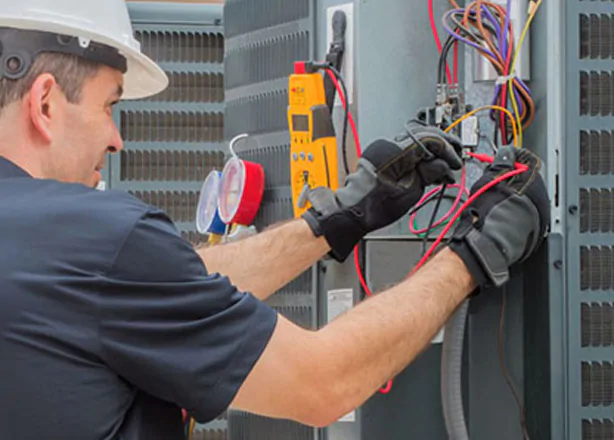
HVAC Maintenance
Seasonal HVAC maintenance extends the life of your equipment and helps minimize your monthly heating and cooling costs. Your HVAC system also plays an important role in ventilation and humidity and thus indoor air quality. Scheduling a regular inspection and cleaning not only saves you money over the long term but helps ensure that your HVAC system is not a cause of indoor air pollution.
-
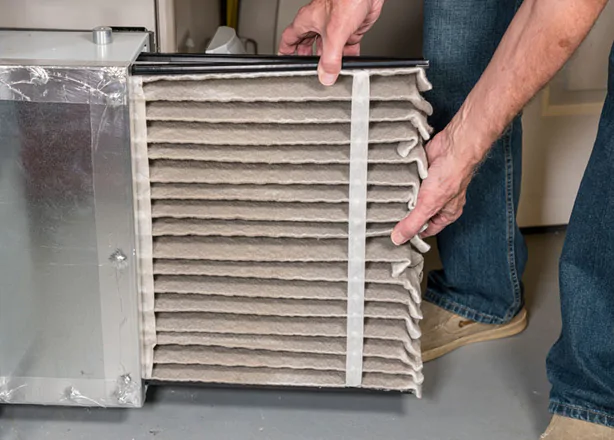
Air Purification
The bottom line is that the air inside your home will not be cleaner than the air outside it unless you have some form of mechanical air cleaning. Christian recommends a whole-home air purifier. These units are integrated into your existing heating and cooling system and will clean the air before it enters the living spaces. These units can remove dust, dander, pollen, mold spores and much more.
-

Home Air Filters
Regularly changing your air filters is essential to keeping dust and other contaminants out of your HVAC system. The general advice is to change them out every three months, but it is best to inspect them visually each month and change them whenever dust accumulation is visible. You may also want to consider a whole-house air cleaner, such as the AirRanger system. It integrates into your existing HVAC air filtration system and is able to trap dust, pollen, pathogens, and much more.
-

Air Scrubbers
Air scrubbers are a newer technology that were originally developed as a NASA project for the International Space Station. These systems use germicidal ultraviolet light that “scrubs” the air through a catalytic process. An air scrubber can remove many of the same contaminants that an air purifier can. But it can also remove many additional contaminants, such as volatile organic compounds.
-
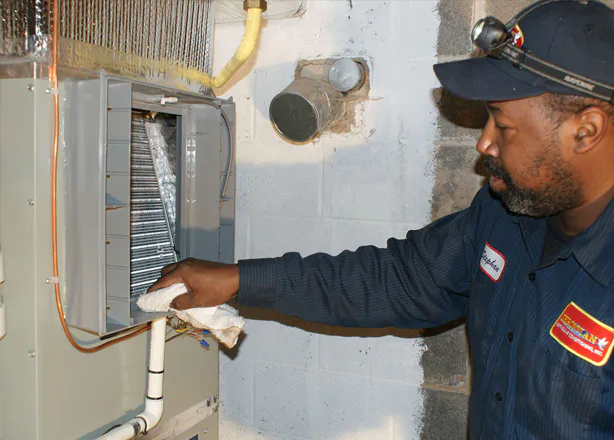
Humidifiers
With winter comes dry air, and even drier air can be a byproduct of heating your home. Dry air leads to static electricity, but it can also result in a wide range of health issues related to your skin, hair and respiratory system. Modern humidifiers for the home generally use steam. They are easily integrated into the home heating system and add moisture to the air before it enters the living spaces.
-
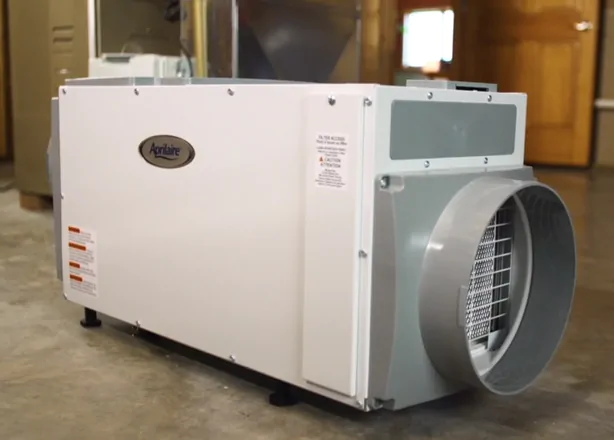
Dehumidifiers
Summer brings with it higher and often uncomfortable humidity levels. Your air conditioner does remove moisture from the air as part of cooling it but can struggle to reach an ideal relative humidity when levels are high. A dehumidifier will work in tandem with your air conditioner. It not only makes your home more comfortable but results in your AC not working as hard and thus lasting longer.
What Are the Signs of Poor Indoor Air Quality?
Indoor air quality problems are not always obvious. Some homeowners notice recurring dust or uncomfortable humidity before realizing their home’s air needs attention.
Common warning signs include:
- Excessive dust collecting on furniture
- Musty or lingering indoor odors
- Condensation on windows
- Rooms that feel unusually humid or dry
- Visible mold or moisture problems
- Stuffy rooms with limited ventilation
- HVAC filters becoming dirty unusually quickly
These symptoms do not always indicate the same problem. For example, a musty smell may point to moisture intrusion, while excessive dust could involve filtration or household sources.
A professional evaluation helps determine which improvements may be useful.
How Does Pennsylvania’s Climate Affect Indoor Air Quality?
Southeastern Pennsylvania experiences seasonal conditions that can influence indoor comfort.
Humid Summers
Warm, humid weather in Bucks and Montgomery counties can contribute to excess indoor moisture. High humidity may encourage mold growth and make rooms feel uncomfortable.
Whole-home dehumidification and properly functioning air conditioning can help manage indoor moisture.
Allergy-Heavy Spring and Fall Seasons
Seasonal pollen can enter homes through doors, windows, and ventilation openings.
Effective HVAC filtration may help reduce certain airborne particles circulating indoors.
Cold, Dry Winters
Heating systems can contribute to uncomfortable indoor dryness during winter. Homeowners may notice static electricity, dry-feeling air, or shrinking wood furnishings.
A properly controlled humidifier can help maintain comfortable humidity without adding excessive moisture.
Which Indoor Air Quality Solutions Are Available?
Different air quality concerns require different equipment. Understanding the available options can help homeowners make informed decisions.
Whole-Home Air Cleaners and Filters
Air cleaners and upgraded HVAC filters capture particles as air circulates through the system.
High-efficiency filtration may reduce dust, pollen, and other airborne particles when the equipment is compatible with your HVAC system.
Air Purification and Air Scrubbers
Some air purification systems use specialized filtration or treatment technologies to address particular airborne contaminants.
Performance varies by product, so equipment should be selected based on documented capabilities and household needs.
Whole-Home Dehumidifiers
Dehumidifiers remove excess moisture from indoor air, helping maintain comfortable humidity during Pennsylvania’s warmer months.
They can be particularly useful in homes with persistent humidity problems that air conditioning alone does not adequately control.
Whole-Home Humidifiers
Humidifiers add controlled moisture to dry indoor air during the heating season.
Professional installation helps ensure proper operation, drainage, and humidity settings.
Professional Duct Cleaning
Duct cleaning may be appropriate when ductwork contains substantial debris, visible mold contamination, or evidence of pest infestation.
Cleaning is not automatically necessary for every home. An inspection can help determine whether it would provide a meaningful benefit.
How Do You Choose the Right Indoor Air Quality System?
The best solution depends on the specific problem you want to address.
| Indoor Air Quality Concern | Potential Solution |
| Excessive airborne dust | Improved HVAC filtration |
| Seasonal pollen | Whole-home air cleaner |
| High indoor humidity | Dehumidifier |
| Dry winter air | Humidifier |
| Certain airborne contaminants | Appropriate air purification equipment |
| Contaminated ductwork | Duct inspection and possible cleaning |
A professional assessment considers your home’s size, HVAC equipment, airflow, and moisture conditions before recommending improvements.
What Happens During an Indoor Air Quality Appointment?
An indoor air quality appointment typically begins with a discussion of your concerns.
The technician may inspect your HVAC system, evaluate filtration, check humidity levels, and look for ventilation or moisture issues.
Based on the findings, the technician can recommend appropriate equipment or maintenance.
If installation is needed, the system is selected for compatibility with your existing heating and cooling equipment. After installation, the technician verifies operation and explains maintenance requirements.
How Can You Improve Indoor Air Quality Between Service Visits?
Several practical habits can support healthier indoor conditions.
- Replace HVAC filters according to manufacturer recommendations.
- Keep indoor humidity generally between 30% and 50%.
- Use kitchen and bathroom exhaust fans when needed.
- Repair plumbing leaks and moisture problems promptly.
- Vacuum and dust regularly.
- Avoid blocking supply and return air vents.
- Schedule routine heating and cooling maintenance.
These steps help manage common indoor pollutants and support proper HVAC operation.
Why Choose Us for Indoor Air Quality Services in Pennsylvania?
Christian Heating, Cooling, Plumbing & Electrical serves Southeastern Pennsylvania homeowners with heating, cooling, plumbing, and electrical services.
Our HVAC technicians evaluate indoor comfort concerns and recommend solutions based on the home’s equipment and air quality needs.
Homeowners choose us for:
- Experienced HVAC professionals
- Whole-home indoor air quality solutions
- Air filtration and humidity control options
- Professional equipment installation
- Heating and cooling maintenance
- Friendly, knowledgeable service
Our focus is helping homeowners make practical improvements that support long-term indoor comfort.
Where Do We Provide Indoor Air Quality Services?
We serve communities throughout Southeastern Pennsylvania, including:
Bucks County: Southampton, Warminster, Doylestown, Bensalem, Newtown, and Langhorne.
Montgomery County: Abington, Horsham, Willow Grove, Hatboro, Lansdale, North Wales, and King of Prussia.
Chester County: West Chester, Downingtown, Exton, and Malvern.
We also serve nearby areas such as Upper Dublin, Hatfield, Plymouth Meeting, and Collegeville.
Frequently Asked Questions About Indoor Air Quality
What is the best way to improve indoor air quality?
The best approach depends on the problem. Upgraded filtration can reduce airborne particles, while humidity control and ventilation improvements address other concerns. A professional evaluation helps identify suitable solutions.
Do air purifiers help with allergies?
Air purifiers with effective particle filtration can reduce certain airborne allergens, including pollen and dust. However, they do not eliminate every allergen or replace regular cleaning and source control.
What humidity level should my home have?
Indoor relative humidity between 30% and 50% is generally recommended. Maintaining this range can improve comfort and help limit moisture-related problems.
How often should HVAC air filters be replaced?
Replacement frequency depends on the filter type, household conditions, and manufacturer instructions. Many standard filters require inspection every one to three months, although some last longer.
Is professional duct cleaning necessary?
Duct cleaning may be useful when there is substantial debris, visible mold contamination, or pest activity. Routine cleaning without a specific need is not always beneficial.








Schedule Indoor Air Quality Services in Pennsylvania
Your home should feel comfortable throughout every season. Professional indoor air quality solutions can help address dust, humidity, and other common concerns.
Christian Heating, Cooling, Plumbing & Electrical provides indoor air quality services throughout Bucks, Montgomery, and Chester counties.
Contact Christian Heating, Cooling, Plumbing & Electrical today to schedule your indoor air quality consultation in Pennsylvania.